Biocontrol vs biofertiliser mix-up: Bt, Trichoderma, Baculovirus, Rhizobium, Glomus. Who does what?
Farhan ShaikhDropper Sample
24 Aug 2026 · 1 min read
I'm trying to make a one-page revision sheet for this chapter (printing is expensive so one page only 😅) and I need to sort these into two boxes: biocontrol agents and biofertilisers. I know the names, I'm just not sure about a few of them.
Biocontrol: Bacillus thuringiensis, Trichoderma, Baculoviruses Biofertilisers: Rhizobium, Azospirillum, Azotobacter, cyanobacteria, mycorrhiza (Glomus)
Doubts:
- Bt: they sell the spores in packets, and farmers spray them. But the toxin kills only certain insects. How does it not harm the caterpillar's neighbours, like us? What activates the toxin?
- Baculoviruses are used as biocontrol agents, but I read somewhere they're called "narrow spectrum". Why is that a good thing?
- Glomus, I put under bacteria that fix nitrogen. Is that right?
- What is the difference between Azotobacter and Rhizobium? They both fix nitrogen, so what's the point of having two?
The final exam is one of those where even one wrong match costs marks, and I'm already working on a tight budget with coaching fees, so I want it right the first time.
7 answers & replies
Sign in to join the conversation.
[+][–]Kavya NaikDropperSample· 1mo ago
Your sorting is right except Glomus. Glomus is a fungus, not a bacterium, and it doesn't fix nitrogen. It forms a mycorrhizal association with plant roots. The fungal hyphae help the plant absorb phosphorus from soil, and the plant also gets more resistance to root-borne pathogens, tolerance to salinity and drought. So Glomus goes in the biofertiliser box but with "phosphorus absorption", not "N2 fixation".
[+][–]Farhan ShaikhDropperSample· 1mo agoAuthor
Got it, thanks Kavya. Fixing Glomus on my sheet right now. One page, here we go!
[+][–]Rahul DubeyDropperSample· 1mo ago
Bt: the bacterium makes toxin protein crystals as spores develop. Dry spores are mixed with water and sprayed on plants like brassicas and fruit trees, and the caterpillar eats the leaf with the spores. In the insect's gut (alkaline) the crystal protein dissolves and becomes active toxin, and it punches the gut lining so the larvae die. The toxin is active only in that kind of gut, which is the reason it is considered selective and doesn't harm us. NCERT says the Bt is effective against butterfly caterpillars.
[+][–]Siddharth RaoDropperSample· 1mo ago
"Narrow spectrum" for baculoviruses (like Nucleopolyhedrovirus) means species-specific, they attack only a particular insect or a small group of related arthropods, with no negative impact on plants, mammals, birds, fish or even non-target insects. That's super desirable when we want integrated pest management and to protect beneficial insects, like in an organic farm. NCERT calls them excellent candidates for integrated pest management.
[+][–]Ishita GoyalDropperSample· 1mo ago
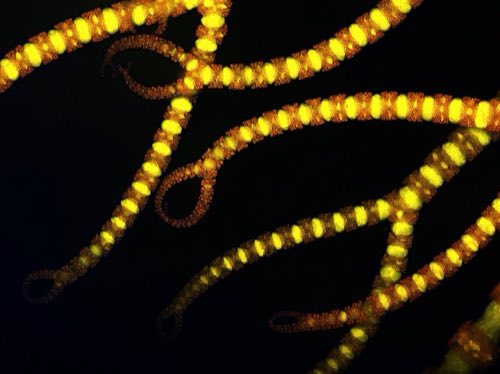
Rhizobium vs Azotobacter: Rhizobium lives in root nodules of legumes (symbiotic), so it only helps legumes like pea, gram and groundnut. Azospirillum and Azotobacter are free-living in soil, so they can help non-legume crops too. Cyanobacteria like Anabaena, Nostoc and Oscillatoria are free-living N-fixers too, and are important in paddy fields.
[+][–]Mehak AroraDropperSample· 1mo ago
So Trichoderma is a fungus used against plant pathogens (fungal diseases) and it's in the biocontrol box? I think so, yes. Also ladybird beetles and dragonflies are the textbook examples of biological control of aphids and mosquitoes respectively. Not needed in your one-page sheet maybe, but it is an easy one-mark question.
[+][–]Farhan ShaikhDropperSample· 1mo agoAuthor
Yes, adding ladybird and dragonfly in the corner, they fit!